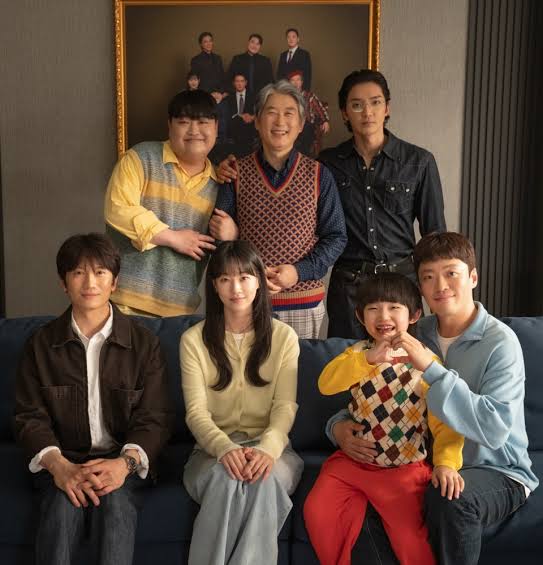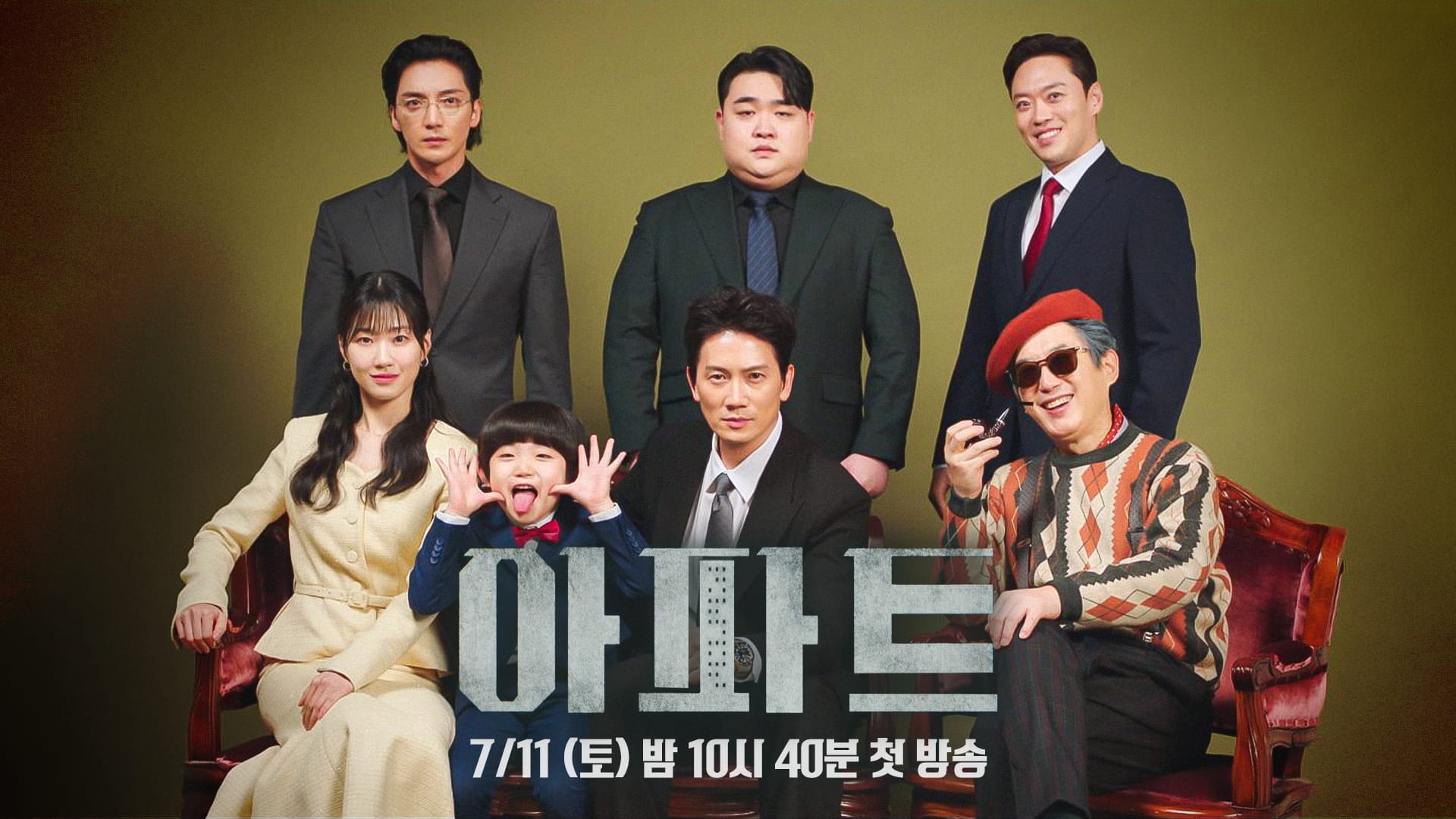
First, the title check. JTBC’s Korean drama simply called Apartment (아파트) was released internationally as The Apartment Job, not a literal translation. That “Job” matters. This is a heist story where the target isn’t a bank vault, it’s a stack of paperwork inside an apartment complex, and the English title gets that right.
To understand why this show exists at all, you need one piece of Korean context first. An apartment complex in Korea isn’t just a building with a landlord. Most Korean apartment complexes are run like tiny self-governing towns. Residents elect a board called the residents’ representative council, which manages a large shared budget funded by everyone’s monthly management fee. Part of that fee, called the long-term repair reserve fund, quietly accumulates for years to eventually cover things like elevator replacement or exterior repairs. Whoever controls that council effectively controls maintenance contracts, security staff, construction bids, and a very large pool of money that most residents never think twice about. In real Korean news, disputes over this exact fund show up constantly. The Apartment Job just pushes that ordinary friction to its logical extreme.
The Apartment Job ran on JTBC from July 11 to August 16, 2026, for twelve episodes, and it is an original script with no source novel or webtoon. Ji Sung plays Park Hae-gang, a former gangster who runs for council president after learning that 17.8 billion won is hidden inside the complex’s management accounts. Ha Yoon-kyung plays Kang Ha-ri, a legal-aid lawyer who keeps calling out the corruption everyone else ignores. Park Byung-eun plays Lee Chung-won, a construction company executive and penthouse resident whose crimes live entirely on paper. Moon So-ri plays Jang Suk-jin, a relentless busybody who all but runs the building socially.
So why a gangster, specifically? Because an ordinary resident would file complaints and get nowhere. A lawyer would get buried in paperwork and delay. Even the police are compromised here, already angling for a cut. The story needed someone who can read a hierarchy instantly, move faster than the law allows, and has a real, selfish reason to stay in the building: the money, and loyalty to the father figure he’s trying to save. Hae-gang isn’t a good man doing good things. He’s a bad man whose particular skill set happens to be exactly what this broken system requires.
The show’s sharpest trick is comparison. Hae-gang’s wrongdoing is loud and visible. Lee Chung-won’s wrongdoing is quiet, filed in permits and contracts, and looks completely legitimate. That contrast is the point: the well-dressed man upstairs was never really different from the gangster, he just had better paperwork.
Watch it as satire about institutional power hiding behind ordinary bureaucracy, not as a guide to fixing your own building. If Korea has taught its residents anything, it’s that these disputes get solved through audits, oversight offices, and lawsuits, slowly, not through a single charismatic council president. That gap between the fantasy and the reality is exactly what makes the fantasy fun to watch.

Image Source: JTBC official promotional materials for The Apartment Job.
Data Source: Wikipedia and Namuwiki entries for Apartment (JTBC); JTBC press materials.
#TheApartmentJob #JiSung #HaYoonKyung #ParkByungEun #MoonSoRi #KoreanDrama #JTBC #KdramaExplained