English viewers track a K-drama through names and pronouns. Korean dialogue is tracking something else entirely underneath it. The word a character uses to call another person carries age, rank, workplace status, and emotional distance all at once, and the moment that word changes, the relationship has already changed with it, usually before either character says anything about feelings out loud. Subtitles translate the sentence. They rarely translate the shift.
The office title that will not budge

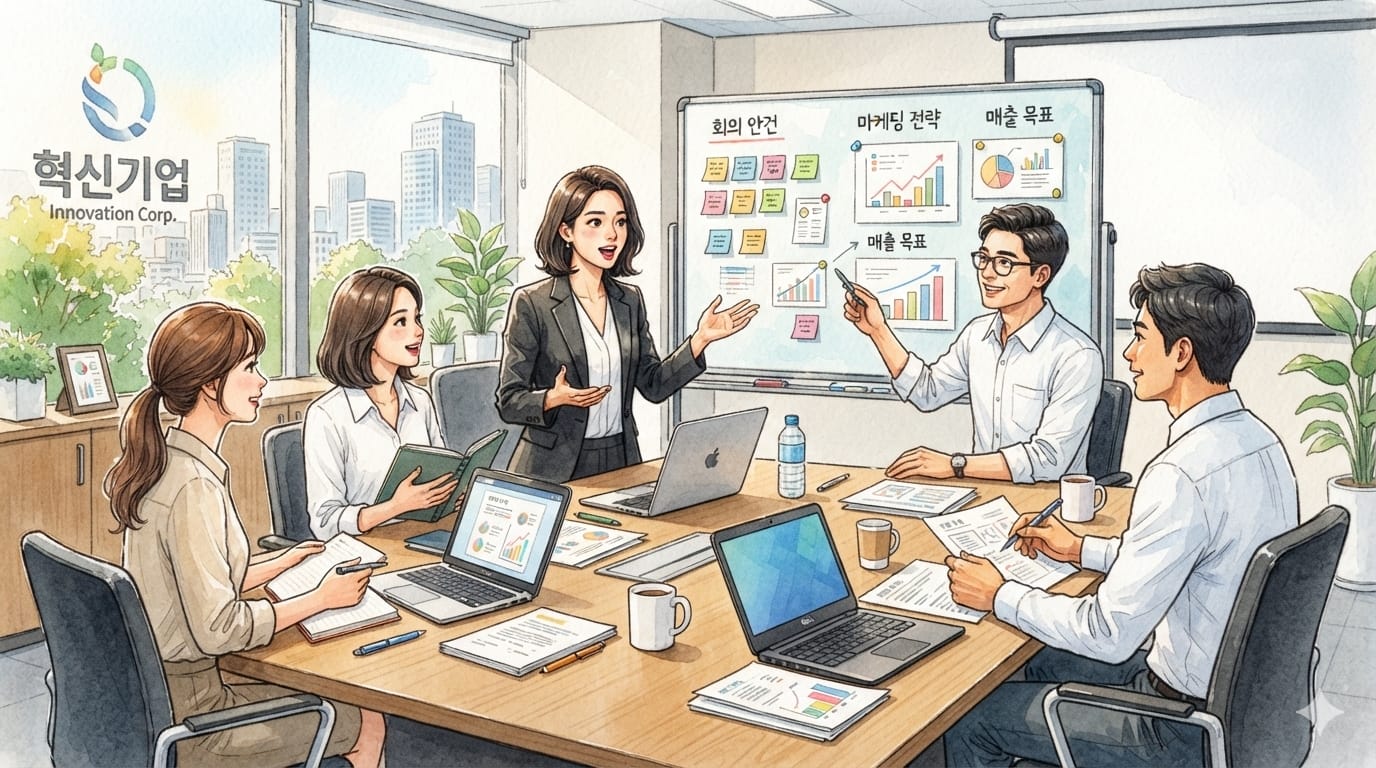
What’s Wrong with Secretary Kim spends most of its run on a single piece of vocabulary. Secretary Kim calls her boss bonbujangnim, meaning Director, for nine years, through admiration and eventually love, without once softening it. The title is not politeness filler. It is a wall she rebuilds every time she speaks to him, because dropping it would mean admitting the relationship is no longer just professional. When she finally says his given name instead of his title, viewers who speak no Korean can still feel something break open, because the sentence itself changes shape. That is the love story, compressed into one swapped word.
The honorific that marks a border
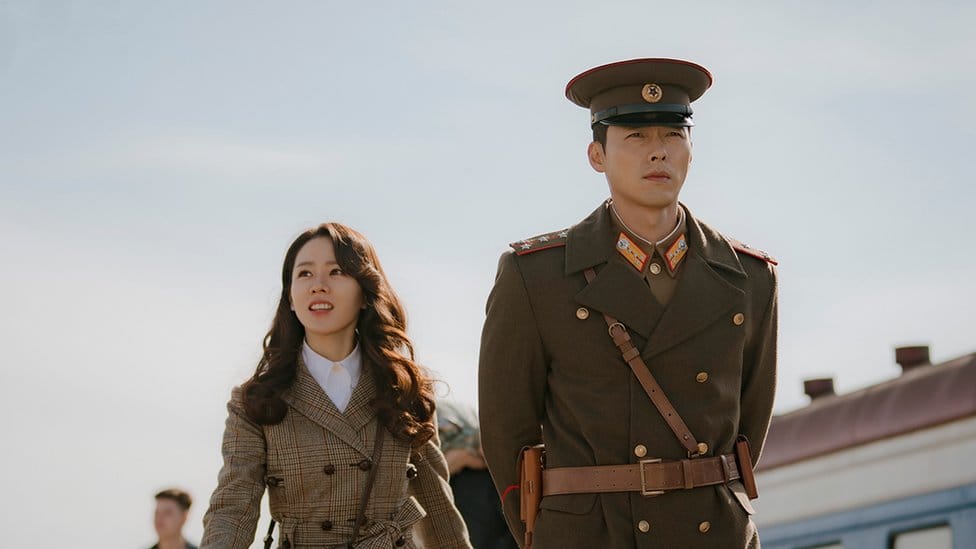
Crash Landing on You runs on a similar mechanic. Yoon Se-ri keeps an honorific suffix on Ri Jeong-hyeok’s name for a long stretch of the show, the equivalent of always saying Mister Ri Jeong-hyeok even after surviving a small war together. It works like a fence around the relationship, polite no matter how much danger they have shared. Watching for exactly when that suffix disappears tells you more about where the two of them stand than any line of dialogue does, because the address is doing the work a Western script would hand to a kiss or a confession.
The word that means both brother and boyfriend
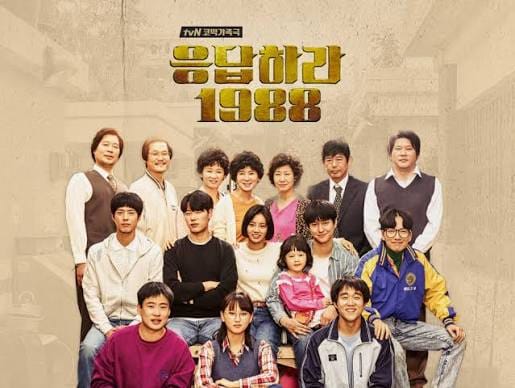
Then there is oppa, which trips up almost every new viewer at least once. A woman calling her boyfriend oppa literally means older brother, and it lands strangely in English until you realize it is not a statement about family. It is a slot in a system built on age and closeness, reserved for an older man she trusts enough to drop formality with. Reply 1988 uses this well, since the neighborhood friend group already calls each other by sibling terms, so when one of those friendships turns romantic, the show does not need a new word. It just needs the same word to suddenly mean more, and every Korean viewer feels the floor shift.
What to actually listen for
None of this requires learning Korean to catch. It requires watching address the way you would watch a character’s posture or eye contact, as a second channel of information running parallel to the subtitles. When two characters change what they call each other, something has already been decided between them that the dialogue has not caught up to yet. That gap between the word and the confession is where a lot of the genre’s most quietly devastating writing actually lives.
Image Source: Netflix and tvN official stills
Data Source: Author’s own drama analysis
#KoreanCulture #KDrama #LearnKorean #WhatsWrongWithSecretaryKim #CrashLandingOnYou #Reply1988 #KoreanHonorifics #Oppa