In the theater, the first ten minutes are a contract. The house lights go down, the audience stops coughing, and whatever happens on stage in that window tells them what kind of evening they have agreed to. There is no remote control and no scrolling away. After thirty years of writing for the stage, I watch the first episode of a K-drama the same way: I am not asking whether it is good yet. I am asking what it has promised me.
These are not laws of television, only the five things I look for when an opening hour works. They have saved me from many drama dropouts and many unfair first impressions.
1. A Want, and Something in the Way
Before the plot, I need a person who wants something. It can be small: peace, revenge, a family kept together. What matters is that the obstacle is visible early. When a first episode spends its opening minutes on lovely scenery and no desire, I start to drift.
The premise of Agent Kim Reactivated is a clean example. A seemingly ordinary father lives a quiet life, and everything he wants is about protecting his family. I wrote about why that setup works so well in The Secret Agent Dad Fantasy: the audience knows what is at stake before anything explodes.
2. An Ordinary World Specific Enough to Lose
A reveal only hurts if we have been shown what is being lost. Good openings spend a few quiet minutes on texture: a commute, a meal, a way of speaking to a boss. That quiet is not filler. It is the foundation the story is about to break.
In the theater we call this the “before.” The sharper the before, the harder the first crack lands.
3. The Crack Comes Early
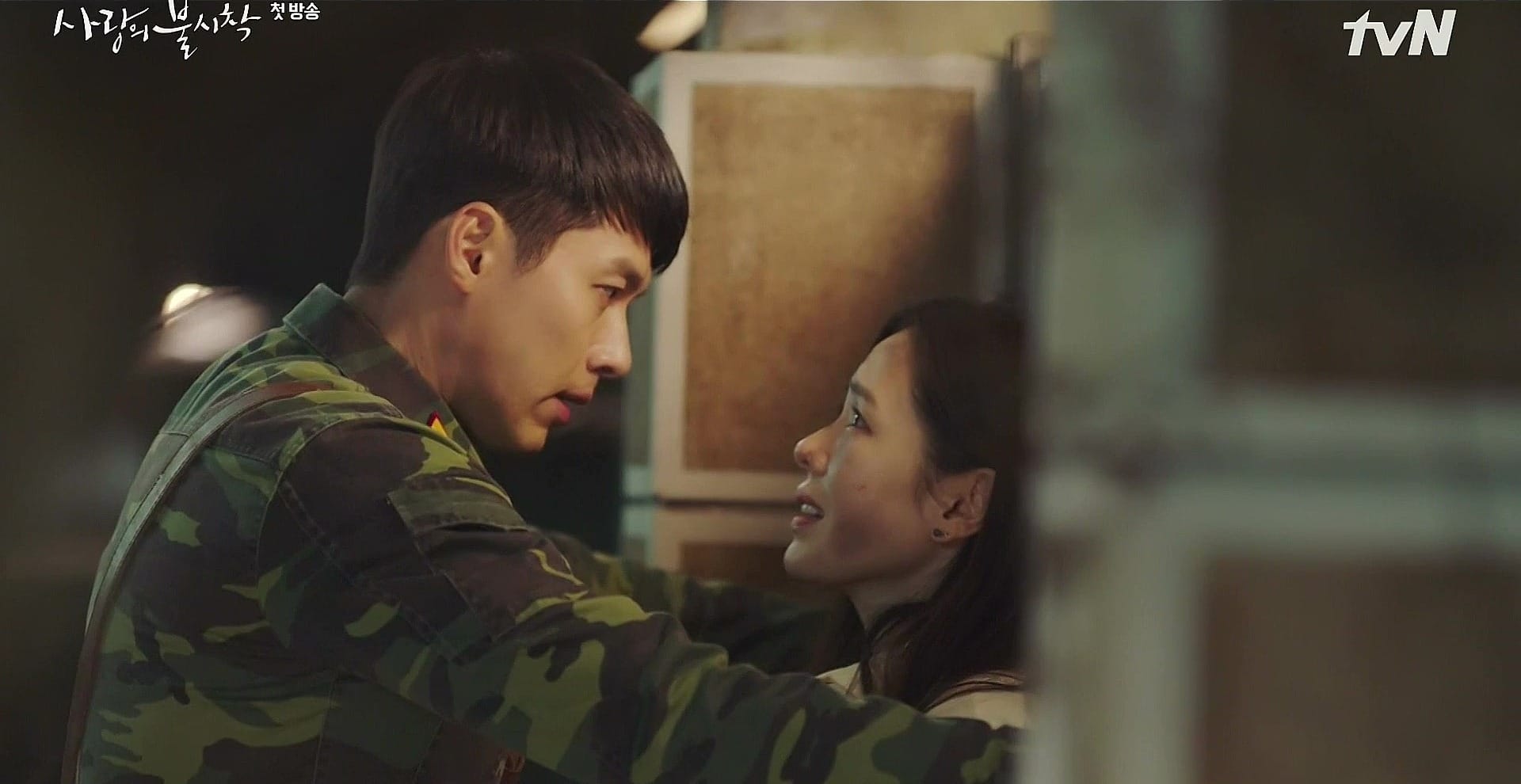
Korean dramas run long, and a slow-burn first episode is a real risk. The best premieres break the ordinary world within the first act. In Crash Landing on You, the entire show hangs on one accident at the start: a South Korean heiress ends up on the wrong side of the border. The rest of the series is built on that single event, and the audience knows it within the first episode.
My rule of thumb: if I cannot name the event that changes everything by the end of episode 1, the writers are holding it back, and I want to know why.
4. A Promise About Tone
An opening hour also tells you how the show will talk to you: coldly, warmly, funny at the wrong moment, or tender at the wrong moment. A drama that breaks its own tone in episode 4 feels like a betrayal, because episode 1 already made a promise.
Anthology-style shows make this promise explicit. In Teach You A Lesson, each episode closes one self-contained case, so the first hour teaches you the rhythm of the whole series. You know what an episode feels like before the second one starts.
5. End With a Question, Not an Answer
The last minute of a premiere should not summarize. It should leave a door open. That is the oldest trick in serialized storytelling, and it still works because it is honest: you are telling the audience that the story has only begun.
I distrust the opposite habit too, the cliffhanger that has no weight behind it. The best ones are tied to the want from rule 1. We come back not because something exploded but because we need to know whether the person will get what they want.
A Playwright’s Note
On stage, the first scene decides what the audience will forgive later. If you tell them in the first ten minutes that this is a comedy with a sad heart, they will follow you into a funeral scene without complaint. If you promise a thriller and deliver a slow domestic drama, they will resent you for the rest of the night, even if the domestic drama is good.
K-drama has the same rule, stretched across sixteen hours. It is the reason I give a premiere a full hour before I judge it, and the reason an unfocused first episode so often predicts the weak ending I discuss in The Twenty Percent Problem.
A Quick Checklist for Your Next Premiere
- Can you name what the main character wants by minute 20?
- Do you know what ordinary life looks like for them?
- Has the world cracked yet, and do you know how?
- Do you know how the show will treat you: coldly, warmly, wryly?
- Does the last minute leave you with a question about the want?
Over to You
Think of the last K-drama that hooked you in the first hour. Which of the five did it get right? Tell me in the comments.
📌 Image Credits: The featured image is a scene from the first broadcast of Crash Landing on You (tvN, 2019). All rights belong to tvN and the production company. It is used here solely for commentary and review purposes.

June Lee is my pen name. I'm a Korean playwright, which means I write for the stage, not for television. I made my debut through the Busan Ilbo Sinchunmunye (부산일보 신춘문예), the New Year literary competition Korean newspapers use to launch new writers. My plays have been published in the collection 천국으로 배달해 드립니다 and staged by the Busan Metropolitan Theatre Company. More than thirty years after my debut, my plays are still being performed.
Plays rarely pay the rent, so for most of my career I've also taught: writing courses at a university, and nonsul (논술), the argumentative essays Korean students write for university admissions. Years of building scripts and taking students' sentences apart left me with one habit I can't switch off. I read K-dramas the way I read a script, for the structure, the pacing, and the cultural details most reviews walk past.
More about me →