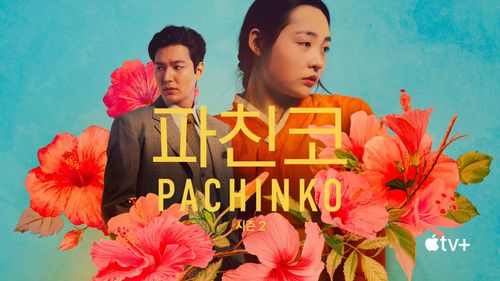
If you have been looking for something genuinely worth your time on a streaming platform, stop scrolling and watch Pachinko. Apple TV+’s adaptation of Min Jin Lee’s acclaimed novel is one of the finest pieces of television produced in the last decade, and it earns that reputation without gimmicks or spectacle. Just an extraordinary story, told with extraordinary care.
# What It Is About
Pachinko is a multigenerational saga following a Korean family across four generations, beginning in Japanese-occupied Korea in the early twentieth century. The story centers on Sunja, a young woman whose decisions as a teenager ripple across decades and continents. The show weaves between two timelines, the 1910s through 1940s colonial period and 1989 Tokyo, cutting between them with the natural rhythm of memory. Both timelines ask the same question in different ways. What does it cost to survive, and what do you become in the process of surviving.
# What Works
The performances are exceptional across the board. Kim Minha plays young Sunja in what is her debut role, and the fact that this is her first major acting credit is genuinely hard to believe. She carries the historical timeline entirely on her own and never once drops it. Youn Yuh-jung, the Oscar-winning actress from Minari, plays elderly Sunja in the 1989 sequences, and her presence alone transforms every scene she appears in. Lee Min-ho delivers the most serious and complex work of his career as Hansu, a morally ambiguous figure from Sunja’s past who defies the romantic lead category entirely.
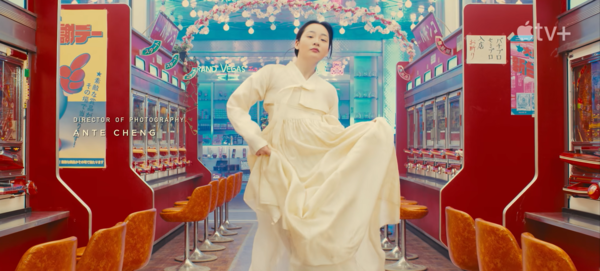
Visually, the show is stunning in ways that serve the story rather than decorating it. The cinematography distinguishes between timelines through light and texture, and the editing between past and present is handled with a delicacy that feels innovative rather than gimmicky. The production design is meticulous and lived-in throughout.
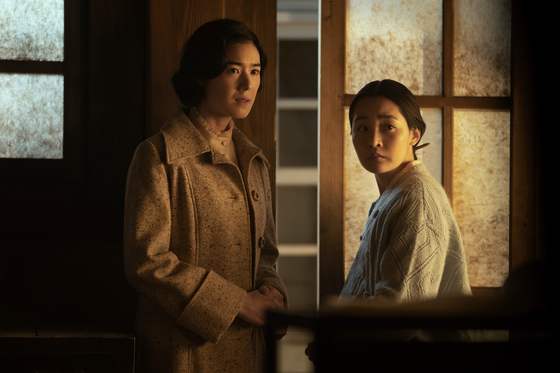
The central emotional core, people refusing to be defined by the worst things done to them, is handled with honesty and without sentimentality. This is not an easy story, but it is a warm one.
# What Is Slightly Weaker
The 1989 storyline following Solomon, Sunja’s grandson, runs at a lower emotional temperature than the historical sequences. It is well made and thoughtfully written, but the contrast in dramatic weight is unavoidable. Eight episodes also feels slightly short for the scope of the material, though the season itself concludes satisfyingly.
The show moves between Korean, Japanese, and English throughout, which means subtitles are necessary. Most viewers adjust within the first episode.
# Who Should Watch
Anyone who loved Minari, anyone who enjoys intelligent historical drama, anyone who wants television that takes them seriously. Season 2 is already available. Watch Season 1 first and then keep going.
If you’ve finished Season 1 and want to know whether Season 2 is worth your time, I’ve reviewed it separately — read the Pachinko Season 2 review here.
#Pachinko #AppleTVPlus #Kdrama #KoreanDrama #PachinkoReview #YounYuhjung #LeeMinHo #KimMinha #HistoricalDrama #MustWatch #StreamingReview #AsianDrama #FamilySaga #KdramaEnglish #AppleTV
Image Copyright Notice
All official Pachinko promotional posters and production still photographs are the property of Apple Inc. and their respective rights holders. All images used in this post are AI-generated originals created solely for illustrative purposes. No copyright infringement is intended.
Image Source: Pachinko Season 1 stills courtesy of Apple TV+ press materials.