1. What is this show?
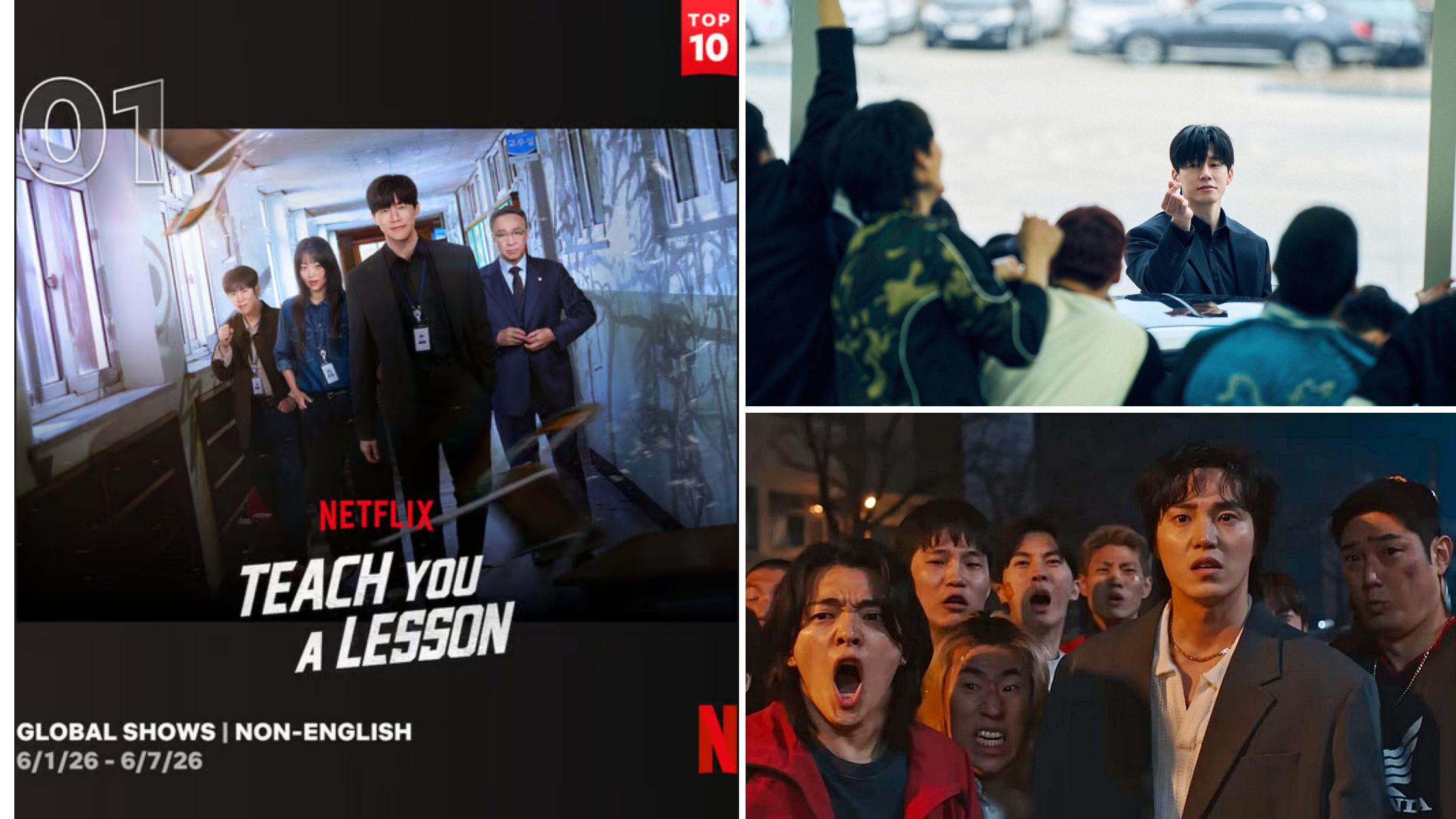
Netflix original drama “Teach You A Lesson” (참교육) is a 10-episode series based on a webtoon. It follows officers from a fictional agency called the “Teaching Rights Protection Bureau,” who are sent directly into broken schools to solve problems.
Centered on lead officer Na Hwa-jin (played by Kim Mu-yeol), along with Lim Han-rim (Jin Ki-joo) and Bong Geun-dae, the team tackles one case per episode — school violence, abusive parents, corrupt teachers, college admissions fraud, and more. Each episode wraps up its own case in an anthology-style format, making it easy to watch one episode at a time without commitment. Total runtime is about 10 hours.
2. What I liked
2-1. Painfully relatable
The show covers school bullying, students exploiting Korea’s juvenile law protections, parents filing malicious complaints, teacher harassment, college admissions corruption, gambling temptations, and influencers spreading false rumors. At times it feels less like fiction and more like a documentary — many teachers and parents have said it hit close to home.
2-2. Deeply satisfying
Since the officers are former special forces, many storylines have them make the perpetrators experience exactly what their victims went through — an “eye for an eye” approach that makes watching genuinely cathartic. Kim Mu-yeol’s charisma and action scenes stand out in particular.
*Image source: Netflix “Teach You A Lesson” still cut*
2-3. Fast, clean pacing
Each episode resolves its case fairly cleanly within the 10-episode run. It gives you that “I wish an agency like this actually existed” kind of fantasy satisfaction, while keeping its core message consistent throughout.
3. What fell short
3-1. Violence can feel excessive
Some viewers felt the violence and corporal punishment scenes were overblown. While clearly meant for dramatic effect, critics noted it risks distorting reality or glorifying violence.
3-2. Characters can feel one-dimensional
The villains tend to be drawn in broad strokes, and problems get resolved more easily than they would in real life — actual school situations are rarely wrapped up so neatly.
3-3. Some controversy
The show drew criticism even before release over its portrayal of female teachers, violent content, and differences from the source material. After release, debate over teachers’ rights continued, and some international viewers reacted with indiscriminate criticism.
4. FAQ
Who should watch this?
Anyone with tough memories from school, teachers, parents, or fans of cathartic action and social-commentary dramas will likely enjoy this.
Who might want to skip it?
If you’re uncomfortable with violent scenes or one-sided “justice,” this show might weigh on you.
How would you rate it?
Entertainment: 4/5. Realism: 3/5. Message: 4/5. Overall, it’s a solid binge-watch.
5. Final thoughts
“Teach You A Lesson” delivers a strong message: school is a microcosm of society. It’s not just about catharsis — it makes you think about teachers’ rights, student rights, and parenting all over again. After watching, you might find your perspective on school and society shifted, even just a little. Written with minimal spoilers — if you’ve already watched it, share your thoughts in the comments!
References: Based on Netflix’s official series information and viewer reviews.*
School violence keeps showing up as a theme in Korean drama right now — I also wrote about why Teach You A Lesson hit #1 worldwide.