I’m a woman in my 50s who’s spent over 30 years writing and mentoring younger writers. I watched the ENA/Disney+ drama “Climax” live, episode by episode, and I was completely hooked the whole way through. Joo Ji-hoon and Ha Ji-won’s performances were so intense I didn’t want to miss a single scene. Without any spoilers, I focused on the powerful “desires” each character carries and the ways they try to fulfill them — and honestly, it hit close to home, mirroring our society in unsettling ways.
Bang Tae-seop (Joo Ji-hoon) — The Hunger for Success
Bang Tae-seop is a star prosecutor at Seoam District Prosecutors’ Office. Coming from a poor family, his desire for success, power, and recognition burns like fire. He uses the law, calculated strategy, and power as weapons to break through every crisis. What’s striking is how one choice leads to the next, and how he keeps crossing increasingly dangerous lines without being able to stop.
Real life offers plenty of parallels. There are well-known figures who grew up poor, worked as tutors to put themselves through school, started out as prosecutors, and eventually rose to core positions in the presidential office. As they climbed the prosecutorial ranks, some accelerated their rise through favoritism, factional ties, or scandals involving sponsors — only to trigger major fallout later. The way small compromises pile up until they finally trap Bang Tae-seop himself feels eerily close to reality.
Choo Sang-ah (Ha Ji-won) — The Desire to Remain Relevant
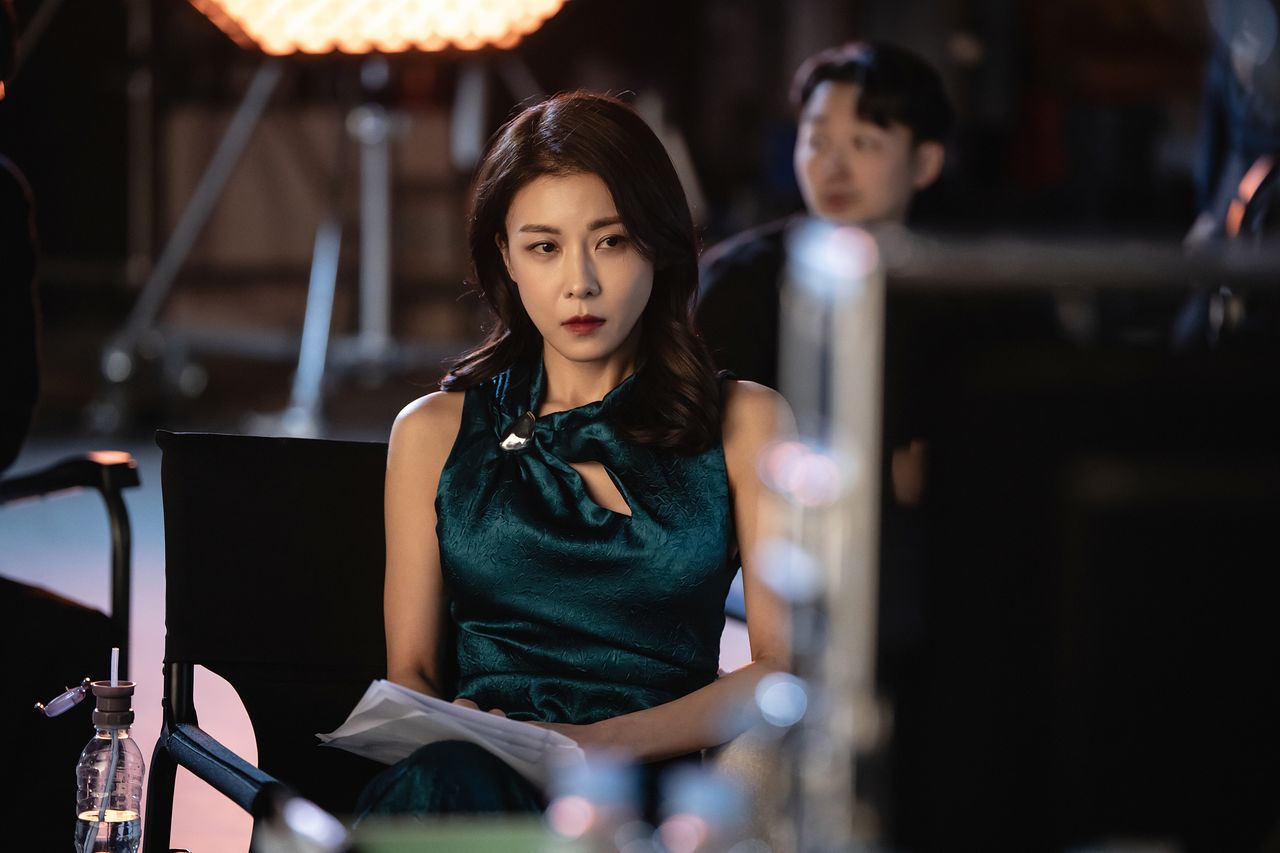
Choo Sang-ah, Bang Tae-seop’s wife and a top actress, appears glamorous on the surface, but her real desire is to “remain a shining star forever” — driven by anxiety and an obsession with never losing her place. She tries to solve problems strategically, leveraging her fame, connections, and public image.
We’ve seen this play out in the entertainment industry too — top stars caught in personal scandals mobilizing media and social platforms to rebuild their image and using their networks to stage a comeback. When a crisis threatens their relevance, they pull out every card to hold onto their spot — and Choo Sang-ah felt remarkably similar. That obsession is deeply human, but also a little frightening.
Lee Yang-mi, the Chaebol Matriarch — The Desire to Protect What’s Hers
Lee Yang-mi embodies the desire to never lose “my position, my money, my influence.” She uses information, relationships, and other people’s hidden weaknesses as tools to keep rivals in check.
This part felt especially relatable given our society. Think of the real inheritance and management-rights disputes that have played out among chaebol families — long legal battles over trillions of won in assets between first wives, second wives, and siblings. The way the desire to protect what one has can poison even family relationships isn’t so different from Lee Yang-mi’s story.
Where These Desires Lead
The methods these characters choose seem clever at first, but gradually they erode everyone around them — and eventually consume the characters themselves. In our own lives, too, we often see people bend the rules and exploit relationships for promotions, money, status, or security, only to pay a steep price later.
To me, “Climax” is a sharp, unflinching portrait of the desire-driven games played among Korea’s upper-middle class and elite. It lays bare exactly how the three desires — ambition, relevance, and self-preservation — collide, intertwine, and where they ultimately lead.
Which of these resonates most with your own experience of reality — Bang Tae-seop’s hunger for success, Choo Sang-ah’s need to stay relevant, or Lee Yang-mi’s drive to protect what she has? Drop a one-line comment and let me know!
Image credit: Official poster for ENA/Disney+ “Climax”