First, relax. This review contains no plot spoilers. I will not tell you who dies, how it ends, or what lurks in the dark. If you have not watched yet, this is here to help you decide. If you have finished all eight episodes, consider it a mirror for your own verdict.
Here is my one-line summary after finishing Netflix’s eight-episode occult period drama The East Palace: the ambition is enormous, and the show barely manages to carry that ambition across the finish line. That is not an insult. It means I was applauding with sweat on my palms.
Two Worlds, One Bold Design
The show’s greatest weapon is its world-building. On one side stands the royal palace, rendered with remarkable restraint. The colors, costumes, and lighting are all controlled, elegant, almost hushed. On the other side lies the realm of ghosts, a place that runs on entirely different physical laws, eerie and wrong in ways that are hard to articulate.
When the production team described it as a space where gravity seems to work differently, I assumed that was marketing talk. It was not. The moment the story crosses into the ghost realm, the color palette, the sound design, even the camera movement transform completely. That sensory dislocation pulls you under instantly.
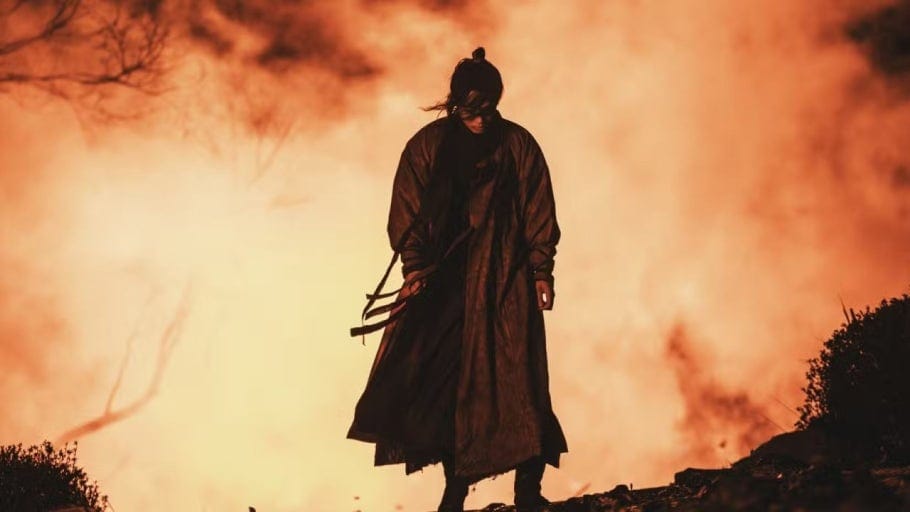
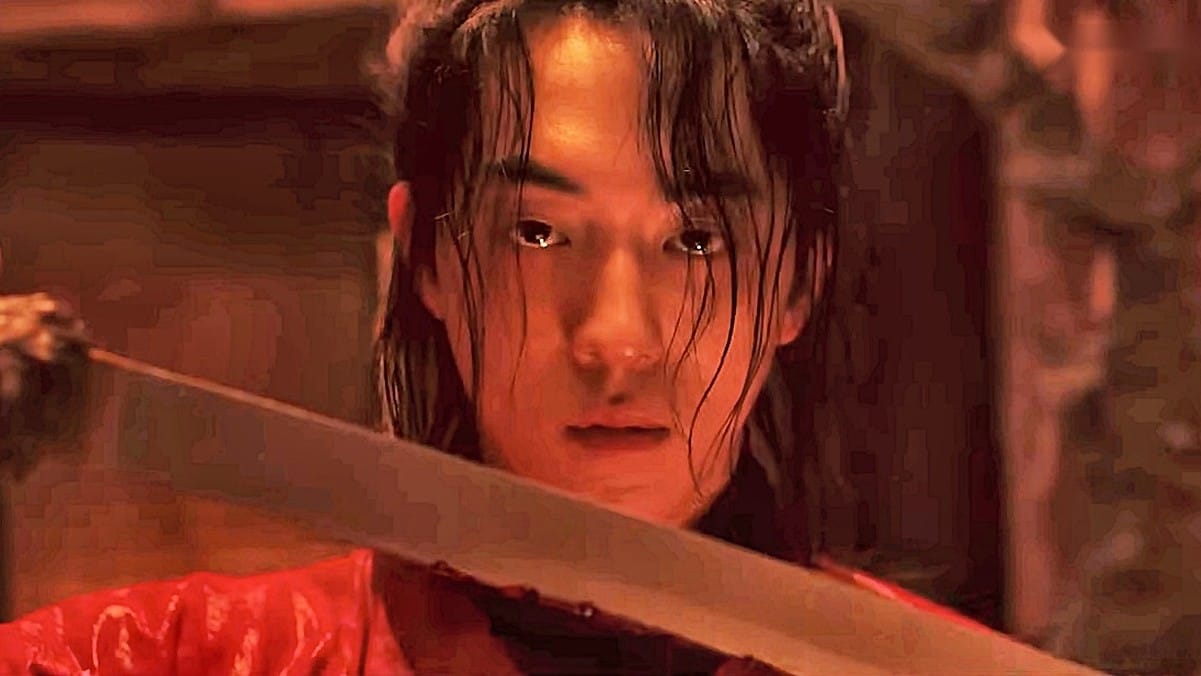
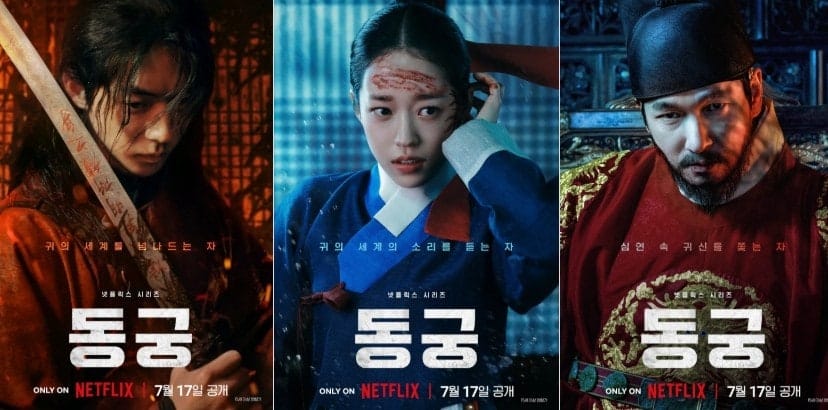
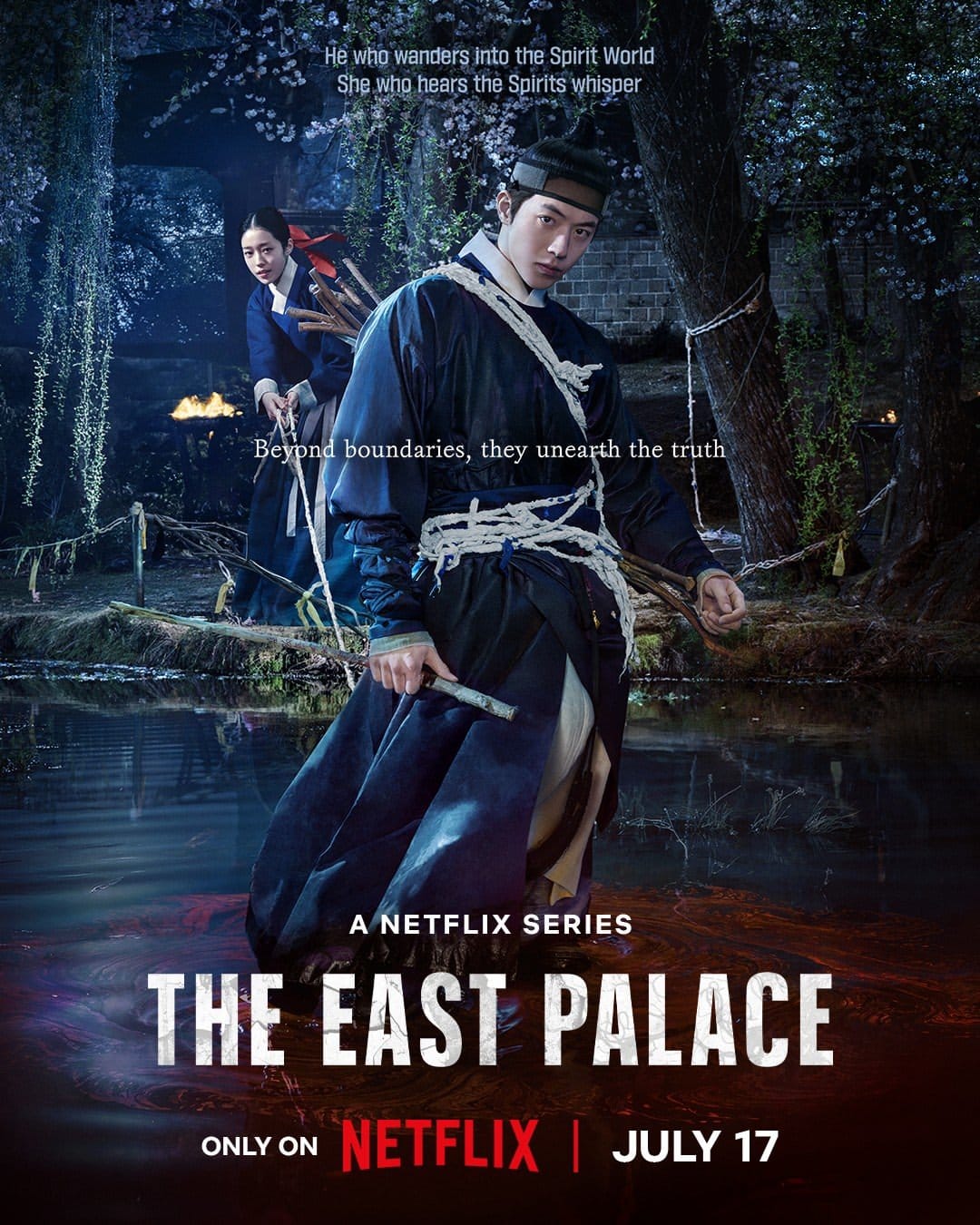
The character design locks into this structure. Gu Cheon, played by Nam Joo-hyuk, cuts down ghosts with a blade. Saeng Gang, played by Roh Yoon-seo, hears the voices of the dead. The King, played by Cho Seung-woo, chases something through the abyss. Their three abilities do not operate in isolation. They interlock through cross-cutting, each power answering the others. The scene where the rules of the ghost realm are first revealed is one of the best moments of the early episodes. It builds a specific kind of trust: this drama has constructed a world with laws, and it intends to honor them.
So Why Only Barely
The problem is those laws. As a playwright, I can tell you that inventing a rule is cheap and keeping it is expensive. Every fantasy writer learns this the hard way. You pay for your world-building in the second half of the story, when all those elegant rules come due at once.
I will describe the pattern without revealing events. Past the midpoint, the criteria for crossing into the ghost realm, the physics inside it, the way the curse spreads, and the links to past events all begin to wobble. In the later episodes you can feel the writers’ dilemma leaking through the screen: honoring every rule makes the story too complicated, so some threads get resolved in a hurry and some explanations simply never arrive. The characters’ abilities behave conveniently in one scene and inexplicably fail in another. Three or four times I caught myself asking why something that worked an hour ago suddenly does not. Which episodes, which scenes? Watch and find out. Naming them would be a spoiler.
So here is the verdict on the world-building. It never collapses. But it never achieves the airtight polish that the word masterpiece would require. The show walks the edge of the cliff and keeps its footing, barely. Hence the title of this review.
The Actors Hold the World Up
Whenever the structure trembles, the cast steadies it. Nam Joo-hyuk calibrates two distinct temperatures, one for the human world and one for the ghost realm, and the shift in his eyes and physicality between them is genuinely striking. Roh Yoon-seo plays the ability to hear the dead not as a superpower but as a wound. Her character reads as a damaged person first and a gifted one second, which is exactly why she feels alive. Cho Seung-woo does what Cho Seung-woo does: he carries the weight of the throne and the darkness underneath it in the same expression.
Director Choi Jung-kyu blends horror, mystery, and the visual language of the traditional sageuk with real confidence. The color grading and sound design of the ghost realm sequences are among the finest I have seen in Korean television this year.
The Scorecard
My overall score is 7.8 out of 10. World-building and visuals earn a 9.0. The acting earns an 8.5. Immersion earns an 8.0. Story cohesion and consistency sit at 7.0, and that gap tells you everything: the pleasure of watching is real, but the aftertaste carries regret.
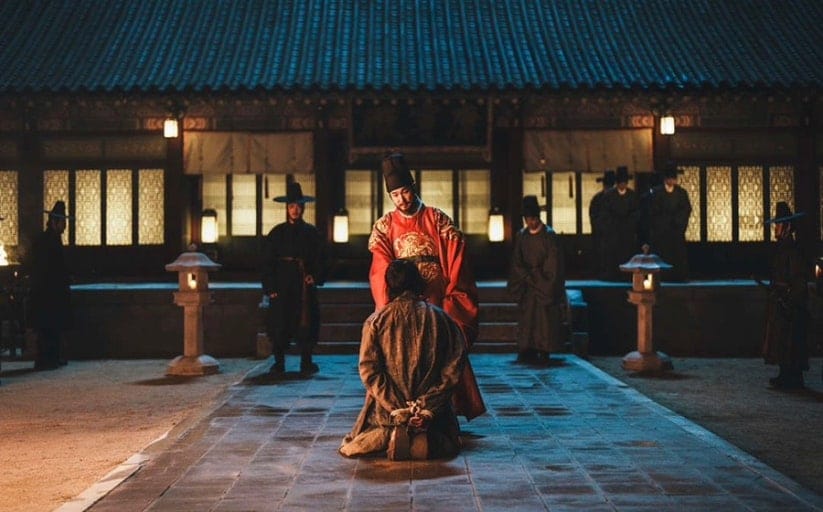
If you love the combination of occult horror and period drama, if you have been waiting for a Korean ghost story in the lineage of The Guest or Bulgasal: Immortal Souls, or if you are simply weak for shows that win on atmosphere, this one will satisfy you. If you need a fantasy world explained with complete logical rigor down to the final episode, the back half may frustrate you. And fair warning for the faint-hearted: some of these episodes are genuinely scary. Consider watching with the lights on.
A World Worth the Risk
The East Palace is a drama that bet everything on its world and nearly won the bet. It is not perfect. But in an era when so many shows are engineered for safety, a production this willing to attempt something dangerous deserves applause simply for refusing to let go. Ambition that survives, even barely, is still ambition that survives.
If you have already finished it, I would love to hear where the world-building lost you, or whether it ever did. Just keep the endings out of the comments for those still on episode one.
Image Source
Official posters and stills: Netflix, The East Palace
Data Source
Netflix release information, production press interviews
#TheEastPalace #NetflixKDrama #KdramaReview #NoSpoilers #NamJooHyuk #RohYoonSeo #ChoSeungWoo #OccultKdrama #Sageuk #KoreanDrama