There are days when you drop your kid off at school and that quiet little worry doesn’t quite go away. A teacher gets assaulted by a student. A bullying incident gets quietly buried by the administration. A burned-out educator posts a desperate thread online because one child has made it impossible to teach the rest of the class. You scroll through the news and start wondering — is school actually a safe place anymore?
Then a Netflix drama came along and hit that nerve perfectly.
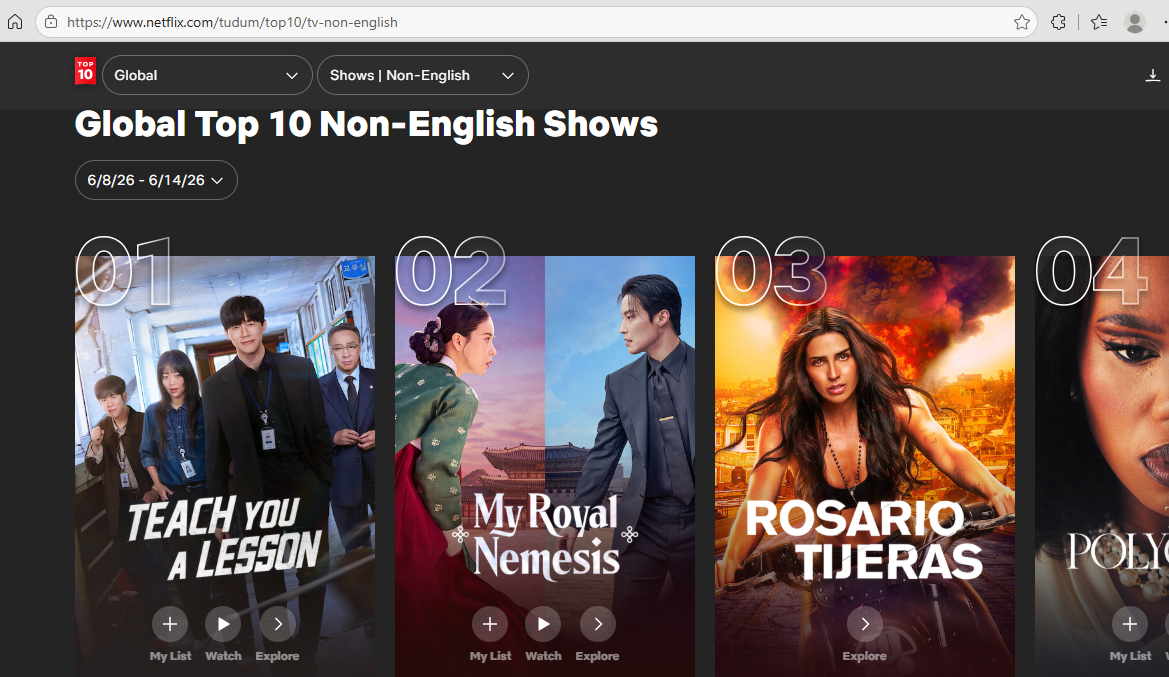
*Teach You a Lesson* shot straight to #1 on Netflix’s global non-English TV chart within days of its release. Korean dramas topping worldwide rankings isn’t new at this point — but this one feels different. It didn’t win the world over with romance or a charismatic heir to a billion-dollar empire. It won because it reached into a wound that every country is quietly nursing right now, and it pressed hard.
We’re All Going Through This
Violations of teacher authority. School violence. Parents who weaponize complaint systems to protect their kids from any consequences. If this were purely a Korean problem, viewers in the US, Brazil, and across Europe wouldn’t be flooding the comments saying *this is exactly what’s happening here.* But they are. In every language.
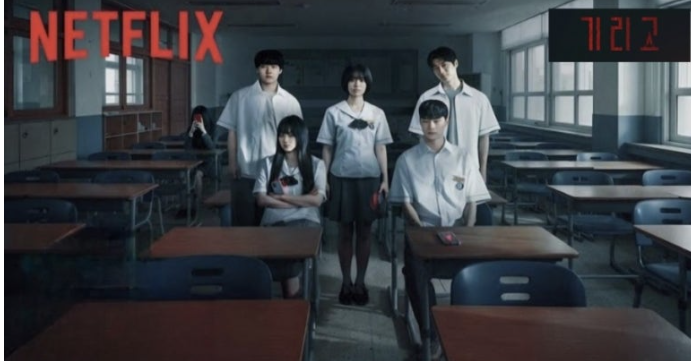
The school inside this drama is a mirror. Victims report what happened and nothing changes. Perpetrators smirk through the process. Entitled parents work the system like they own it. Anyone watching feels a slow burn of recognition — because this isn’t fictional frustration. It’s the real kind. The kind you’ve already felt.
The Drama Does What the Law Won’t
At the center of the show is a fictional government agency called the Teacher Rights Protection Bureau. Its agents move fast, act decisively, and hold accountable the students who cross lines, the parents who pull strings, and the educators who look the other way. In real life, investigations drag on for months. Punishments land softly. Victims get put through a second round of pain just trying to be heard.
The show skips all of that. Every episode builds to a clean, satisfying resolution — the kind that real systems rarely deliver. There’s no ambiguity about who was wrong. No frustrating cliffhanger where the bad guy walks. Just the moment you’ve been waiting for, delivered on time, every time. That’s what keeps people hitting *Next Episode* at midnight.
How It Reached More People Than the Original Ever Could
The source material — a webtoon of the same name — had a devoted following, but it also carried baggage. Racist and sexist elements in the original drew real criticism. The drama made the deliberate choice to strip those out. What remained was something leaner, broader, and built for a global audience: tight pacing, action beats that land, comedy woven in at just the right moments.
The cast sealed it. Kim Mu-yeol leads, but Lee Sung-min, Jin Ki-joo, and Pyo Ji-hoon don’t just support — they bring their own energy and make the team feel genuinely alive. The chemistry between them doesn’t need translation. You feel it whether you’re reading subtitles or not.

In the End, This Show Is a Mirror
*Teach You a Lesson* didn’t go #1 because it’s provocative. It went #1 because it showed us scenes we already know — broken classrooms, unpunished harm, exhausted teachers, and the adults who stood by and did nothing — and then it smashed all of it in the most satisfying way possible.
We live in a time when sending a child to school feels like a risk. And maybe what parents and teachers around the world are really seeing in those fictional agents is something they’ve been quietly longing for: an adult who actually shows up and stops it. It’s a fantasy, yes. But it’s one the whole world apparently needed to watch.
#TeachYouALesson #Netflix #KDrama #참교육 #GlobalNo1 #SchoolDrama #KoreanDrama #NetflixOriginal #KimMuYeol #TeacherRights #SchoolViolence #StreamingNow #MustWatch #KDramaRecommendation #넷플릭스
📌 Image Credits & Copyright Notice
All images used in this post are official promotional stills provided by Netflix. All rights belong to Netflix and the respective production company. Images are used solely for introductory and review purposes. Unauthorized commercial use or reproduction is prohibited.