If you discovered K-dramas through Netflix, there’s a good chance you’ve already asked this question: “Why is the main character always insanely rich?” Whether it was Boys Over Flowers, Queen of Tears, or Business Proposal, the lead always seems to come from some kind of mega-wealthy dynasty. And honestly, that’s not a coincidence — there are very real reasons behind it.
First, a quick primer on what “chaebol” actually means. A chaebol is a large family-owned conglomerate that dominates the Korean economy — think Samsung, Hyundai, or LG, where a single family has controlled a massive business empire for generations. If you’re looking for a Western equivalent, the Rockefellers or Rothschilds come close, though even that doesn’t quite capture the scale of influence these families have in Korean society. A chaebol heir in a drama isn’t just wealthy — they belong to a family that effectively shapes the country.
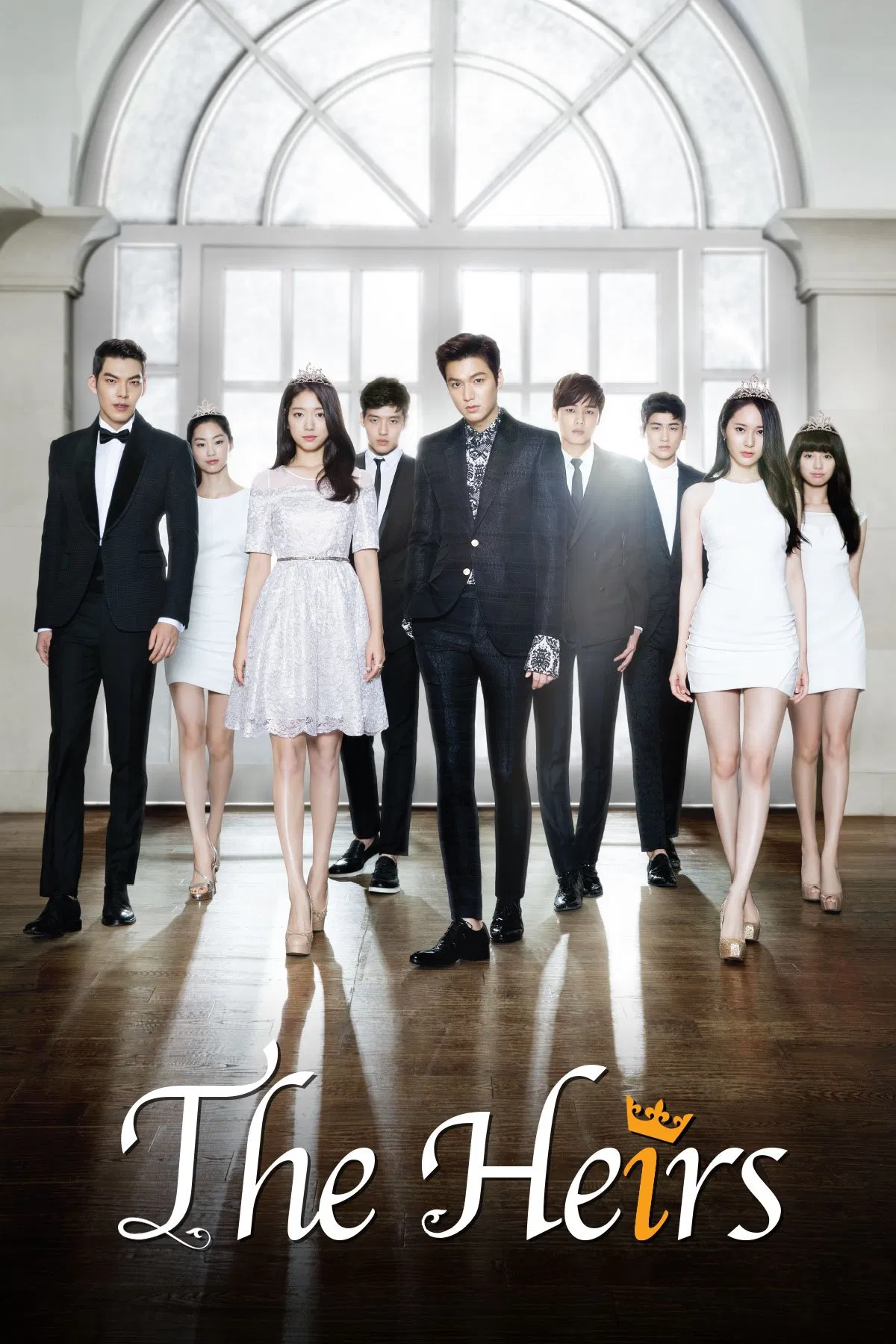
So why do writers keep reaching for this character type? One of the most honest answers is simply that it’s easy to write. From a screenwriting standpoint, a chaebol protagonist is incredibly convenient — the moment you put one in your story, conflict generates itself. Disapproving parents who think the love interest isn’t good enough. Class divides that feel impossible to bridge. Power struggles over who inherits the company. The tension between unconditional love and family obligation. All of that drama comes built-in, without the writer having to engineer it from scratch. It’s not unlike the “royalty romance” genre in Western storytelling — Korea just swapped out the crown for a corporate empire. That’s why Secret Garden (2010), The Heirs (2013), and Business Proposal (2022) all have wildly different plots but the same underlying skeleton.
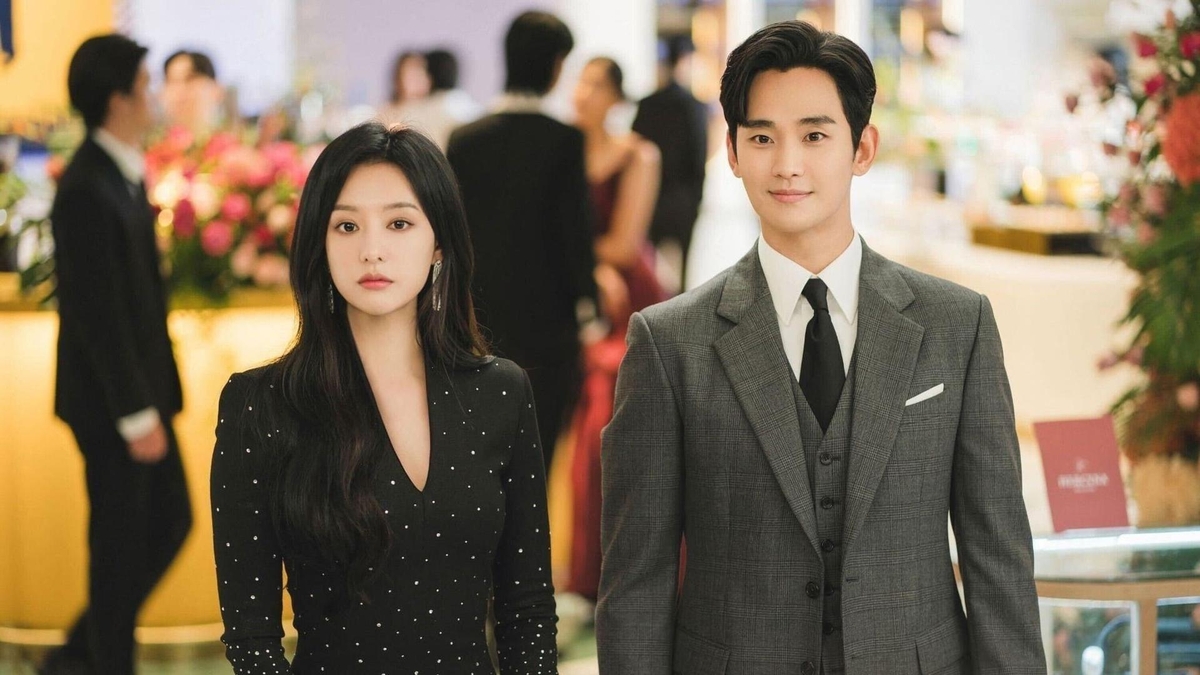
Beyond the writing convenience, there’s what audiences get out of it. Chaebol dramas give viewers a front-row seat to a world they’ll never inhabit — penthouse apartments overlooking the Han River, private jets, surprise trips to Paris, designer wardrobes that cost more than most people’s annual salary. It’s visually intoxicating, and it keeps people watching. This kind of wish fulfillment isn’t uniquely Korean, either. The Cinderella structure — an ordinary person stepping into an extraordinary world — is one of the most universally compelling narratives humans have. You see it in British romance novels, Hollywood rom-coms, and telenovelas alike. K-dramas just happen to execute it with a particular kind of glossy, high-production glamour.
What makes the chaebol lead especially addictive, though, is the arc. These characters almost always start out cold, arrogant, and frankly insufferable. Gu Jun-pyo in Boys Over Flowers, Kim Joo-won in Secret Garden — you’re supposed to find them a little awful at first. That’s the point. Watching a person that guarded and that proud slowly crack open because of love is deeply satisfying to witness. It’s the same reason Mr. Darcy has been making readers swoon for over two centuries. The chaebol lead is essentially Korea’s answer to the brooding hero archetype, and it works every single time.
That said, it’s worth noting the formula’s limits. When every other drama follows the same template, viewer fatigue is real — plenty of fans have started rolling their eyes at yet another cold-but-secretly-caring heir. There’s also a fair criticism that these shows paint an unrealistically romantic picture of families whose real-world counterparts frequently make headlines for very different reasons. For international viewers especially, it helps to watch these dramas as deliberate fantasy rather than any kind of social documentary.
None of that has slowed the formula down, though. Queen of Tears (2024) broke cable viewership records in Korea and became a global hit on Netflix, proving that audiences still can’t get enough. The next time you start a K-drama and the male lead turns out to own half of Seoul, try shifting the question from “why is it always a chaebol?” to “how is this one going to change?” That’s where the real story lives.
References: Boys Over Flowers (KBS2, 2009) / Secret Garden (SBS, 2010) / The Heirs (SBS, 2013) / Business Proposal (SBS·Netflix, 2022) / Queen of Tears (tvN, 2024) / Nielsen Korea Ratings Data 2024
#KDrama #ChaеbolRomance #KoreanDrama #NetflixKDrama #BoysOverFlowers #QueenOfTears #BusinessProposal #KDramaRecommendations #CinderellaStory #KDramaExplained
Images: Official posters and stills provided by KBS, SBS, tvN, and Netflix.