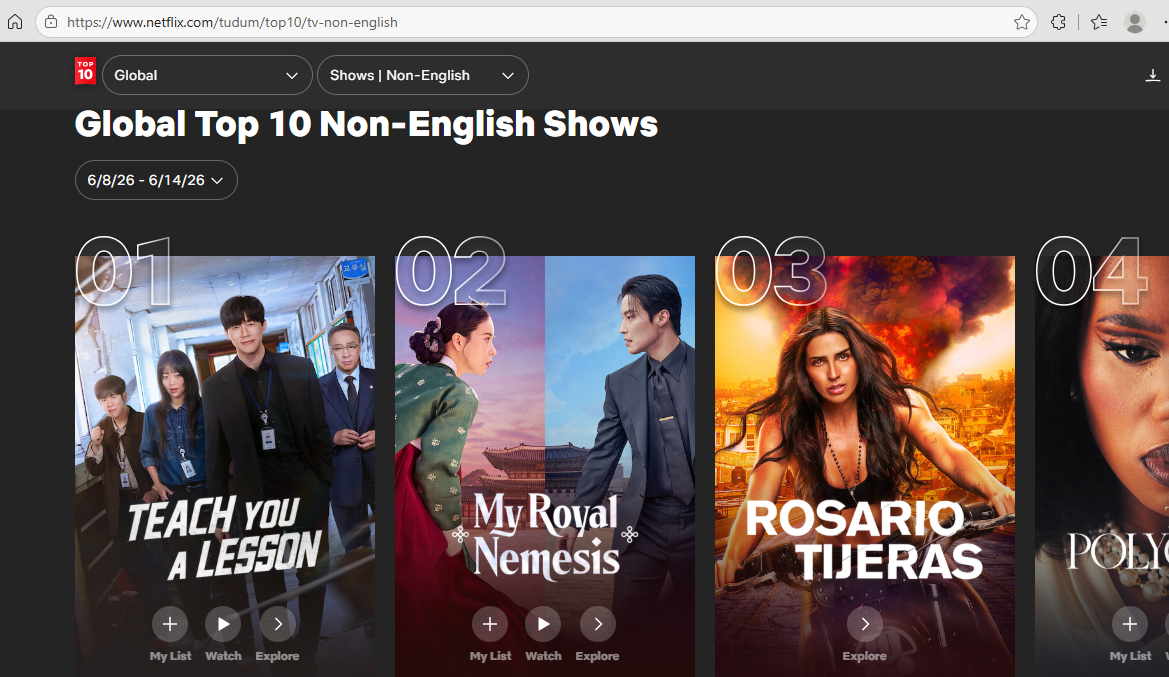
I debuted as a playwright through Korea’s spring literary contest thirty years ago, and if there is one thing that time has taught me, it is that audiences forgive almost anything in the middle of a drama. What they rarely forgive is the last twenty percent. K-drama fans have their own shorthand for this. They rarely call a disappointing finale a bad ending outright. More often they say the show was eighty percent there, and something in that final stretch never delivered the rest. Today I want to walk through why that twenty percent keeps going missing, and look at five dramas where the gap showed up in five different ways.
Why endings wobble
The first reason is ratings and extensions. When a drama takes off, broadcasters often want more episodes than were originally planned, and the writer ends up grafting extra material onto an ending structure that was already built. The finale gets pushed out of its intended position and lands awkwardly further back than it should. Jewel in the Palace is the famous case of an extension that actually worked, riding genuine audience enthusiasm to a longer, still-satisfying run, but that kind of success is rare. More often, stretching the runtime breaks the rhythm the ending was designed around.
The second reason is the production schedule itself. Korean dramas are still frequently written and filmed while they are airing, and under that kind of time pressure it is very difficult for writers and crews to hold onto the patience of the early episodes all the way to the end. When scripts are arriving just days before filming, neither the actors nor the director can build the same density into the final episode that the first one had. That is a large part of why so many finales feel rushed.
The third reason is the tension between what viewers want romantically and what the writer actually wants to say. Audiences tend to want a clean, romantic resolution, while a writer may be reaching for something more honest or bittersweet. When that tug-of-war gets stitched together halfway, neither camp ends up satisfied. The romantics feel cheated of a clean ending, and the realists feel the show pulled its punch.
The fourth reason is a shift in genre late in the run. A show that spent most of its episodes as a thriller or a mystery and then pivots hard into melodrama for its final act leaves the audience that was following the suspense stranded in an unfamiliar tone. The reverse happens too, when a romance suddenly reaches for thriller mechanics in its last stretch to manufacture tension it did not previously need.
The fifth reason is a mismatch between how much viewers invested and how much the ending actually addresses. Viewers who got deeply attached to side characters and subplots watch a finale that narrows down to just the central couple, leaving everything else unaddressed. This tends to sting most in shows with genuinely rich supporting casts, where a relationship the show spent real time building simply vanishes without a mention.
Dramas where the gap showed up
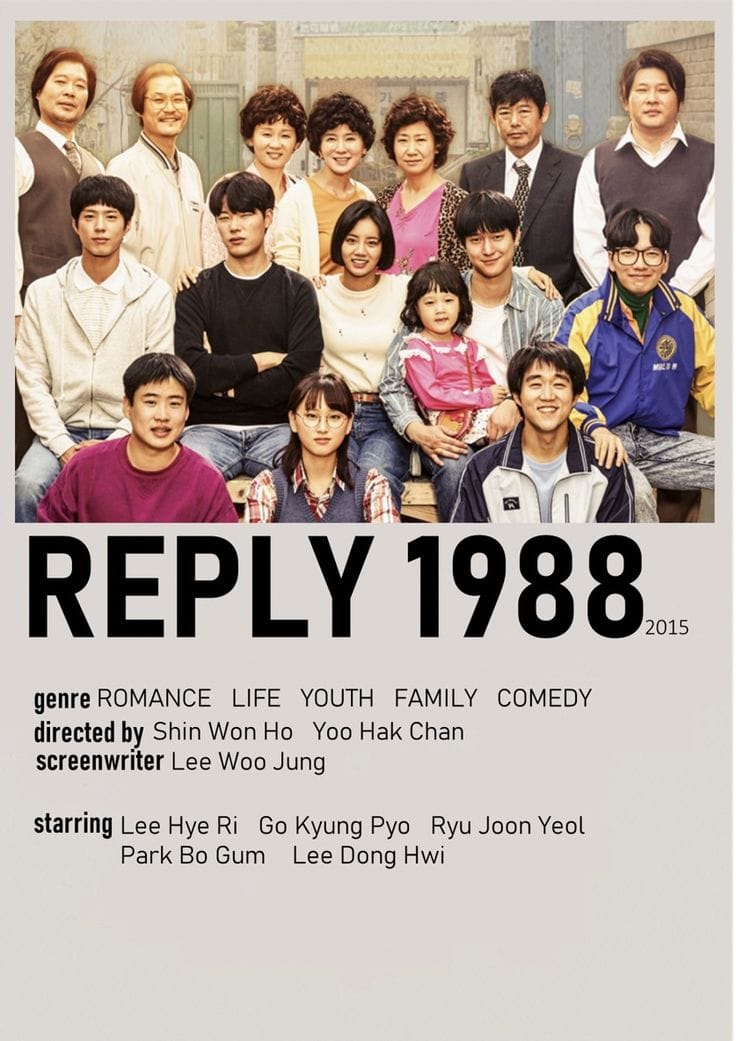
Reply 1988 still gets pointed to as one of the best-built K-dramas for its characters and its sense of neighborhood, but the finale’s central mechanic, the mystery of which of the two men Deok-sun actually married, split the fandom in two. Viewers rooting for Jung-hwan experienced the ending itself as the gap. What’s notable is that the show is not remembered as a bad drama because of it. The eighty percent it spent building its characters and its street was solid enough that the disappointment stayed a matter of personal preference rather than a verdict on the whole series.
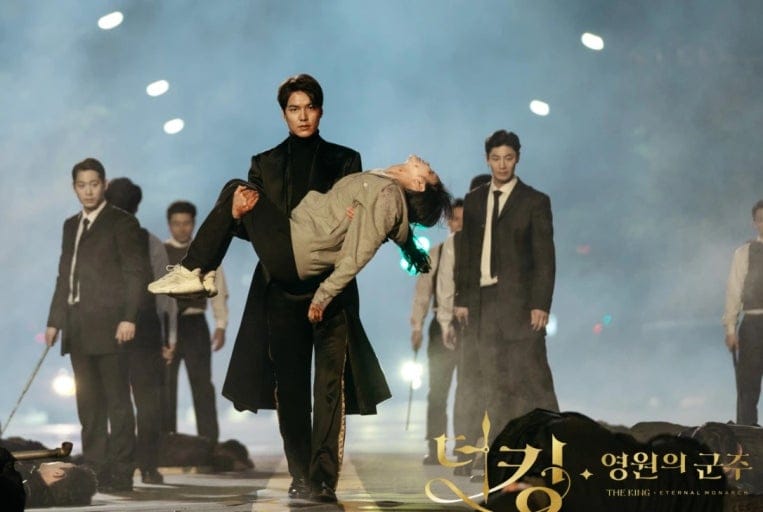
The King: Eternal Monarch shows the opposite failure mode. The show spent many episodes constructing an intricate parallel-universe premise, then resolved nearly everything in its final stretch by having its hero suddenly acquire the power to cross dimensions freely, which let the story sidestep its own internal logic rather than pay it off. The finale leaned on the character’s raw ability rather than the rules the show itself had spent so long establishing, and the disappointment showed up in the ratings too: the final episode dropped to 8.1 percent.
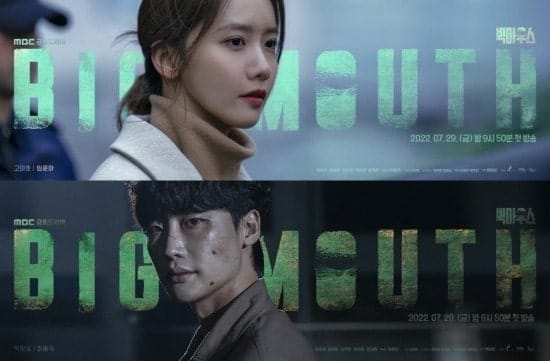
Big Mouth may be the most blunt example of this gap on record. Nearly ten episodes’ worth of mystery threads, including what a central character’s academic paper actually contained and what a secret lab had been researching, were never resolved. The back half of the plot was compressed into what felt like a three-minute highlight reel. On top of that, the character who committed the worst acts ended up running a newspaper, while the character who chose to do the right thing was committed to a psychiatric hospital, which meant even basic poetic justice fell apart along with everything else.
Two dramas that wrapped this summer sit inside the same pattern. Reborn Rookie had already earned its ending and then piled an unnecessary twist onto it in its final minutes. Wicked World landed a genuinely good ending but still carried twenty percent worth of unresolved setup from its middle stretch. What makes both cases interesting is that neither one was a commercial failure. Both hit series-high ratings on their way out. This was not a gap caused by a badly received show. It is a gap that even well-made, well-received dramas rarely escape entirely.
Why we keep watching anyway
These five dramas are different in almost every way, but they share one thing. What breaks is the twenty percent, not the eighty. And the fact that the twenty percent disappointed does not erase the eighty percent that came before it. If anything, that gap is a mark of how much time pressure and compromise goes into finishing a Korean drama at all. Think back on a show whose ending let you down, and there is a good chance the journey stayed with you longer and more vividly than the finale did. The next time an ending falls short, it might be worth asking exactly where that twenty percent went missing. That is a fairer way to remember the show than writing the whole thing off.
#Reply1988 #TheKingEternalMonarch #BigMouth #RebornRookie #WickedWorld #KDramaEndings #KDramaAnalysis #KdramaReview
Image Copyright Notice
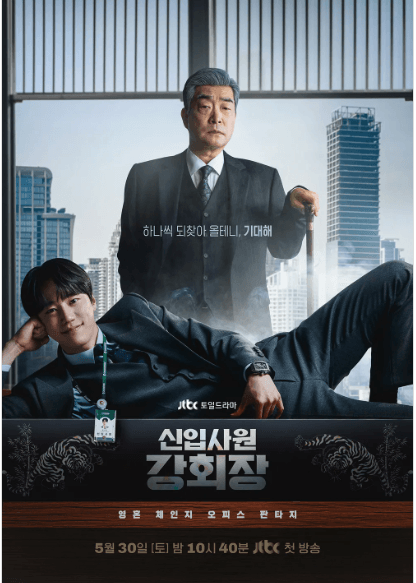
All official posters and stills referenced from Reply 1988 (tvN), The King: Eternal Monarch (SBS), Big Mouth (MBC), Reborn Rookie (JTBC), and Wicked World (SBS) are the property of their respective broadcasters and rights holders. Images used in this post are for illustrative purposes only. No copyright infringement is intended.
References: Based on reporting from Namuwiki, Hankook Ilbo, Dailian, Ilyosisa, Topstarnews, STARNEWS, and iMBC Entertainment News, July 2026.