I Had No Idea at First
When I first started writing Korean dramas, I remember thinking, “Why is there a meal scene in literally every episode?” It just looked like background noise to me. But then I realized — that bowl of rice holds an entire culture inside it. Today I’m sharing 10 things about Korean culture that finally clicked for me while watching dramas. Whether you’ve seen hundreds of episodes or not a single one, I think you’ll find this fun.
① Food Is How Koreans Say “I Care About You”
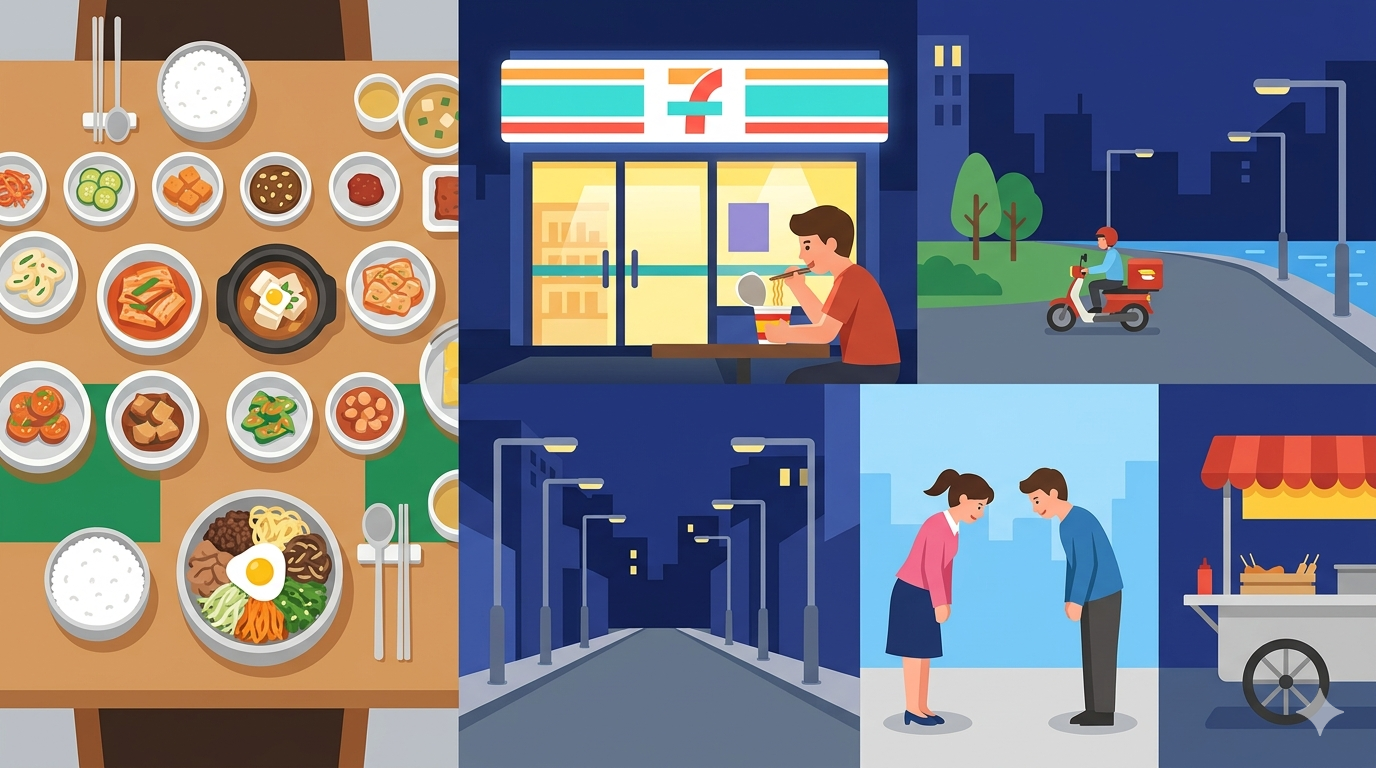
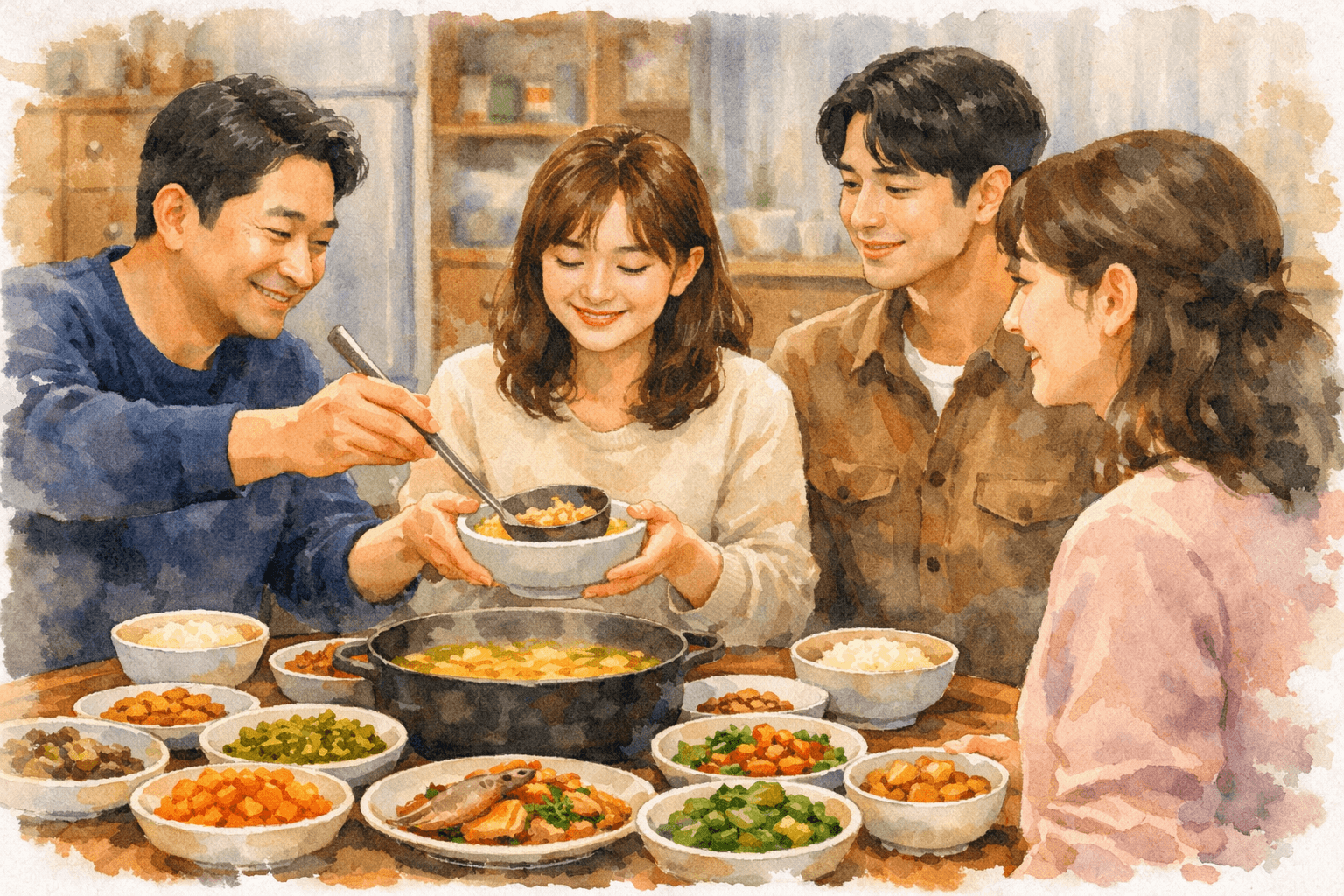
“Have you eaten?” isn’t small talk in Korea — it’s basically saying “I’m worried about you. You matter to me.” Even strangers soften after sharing a meal together, and enemies start to crack. Turning down a meal invitation, on the other hand, is a quiet way of saying “I’d rather keep my distance.” So next time a character says “let’s just grab a bite,” know that it’s never just about being hungry.
② Calling Someone “Oppa” Is Almost a Confession
In Korea, even a one-year age gap creates a clear sense of “older” and “younger.” That’s why scenes where a guy asks a girl “can you call me oppa?” carry so much weight — it’s not about nicknames. It’s a soft signal that says “maybe we could be something more than just friends.” Once you know that, you’ll feel the tension in those scenes in a whole new way.
③ Why Are There Always Chaebols?
Korea’s economy is heavily shaped by a handful of massive family-owned conglomerates — think Samsung, Hyundai, LG. The “Chairman Kang” or “Director Lee” you see in dramas? They’re straight out of that reality. Inheritance battles, strategic marriages, boardroom power plays — these aren’t just dramatic devices. They’re rooted in how Korean business actually works. As a playwright, I’ll be honest: there’s no richer source of conflict.
④ Where You Went to School Follows You Everywhere
“Which university did you go to?” might sound like casual conversation, but in Korea it carries real weight. Whether someone is SKY (Seoul National, Korea, or Yonsei University) or not can quietly shape their career, marriage prospects, and social circles. That’s why so many drama leads are elite graduates — or, just as often, underdogs who rise without that pedigree. Both stories hit a nerve because both ring true.
⑤ Nunchi: Reading the Room Without Being Told
Korean culture has a concept called nunchi — the ability to pick up on someone’s mood, read the atmosphere, and respond without a single word being said. It’s why so many drama characters seem to “just know” what the other person is feeling. Characters without nunchi become the comic relief, or the reason everything falls apart. When I write scripts, getting the nunchi dynamics right can say more than three pages of dialogue.
⑥ Jeong: The Bond That’s Harder to Break Than Love
“I can’t leave because of jeong.” You’ve probably heard some version of this in a drama. Jeong doesn’t have a clean English translation — it’s warmer than friendship, quieter than love, and it builds slowly through shared meals, arguments, and tears. Even villains waver because of it. Even enemies find their way back to each other. Korean farewells hit harder than most because what’s being cut isn’t just a relationship — it’s jeong.
⑦ Kibun: Public Humiliation Is Never Just Embarrassing
Face — or kibun — matters enormously in Korean culture. Being called out or shamed in front of others isn’t just awkward; it feels like a loss of standing. That’s why the most explosive drama scenes tend to happen in public: the exposé at the party, the confrontation in the conference room, the declaration at the dinner table. Every one of those is a calculated strike at someone’s face. And that’s exactly why they feel so satisfying — or so devastating — to watch.
⑧ Military Service Is a Chapter Every Korean Man Lives Through
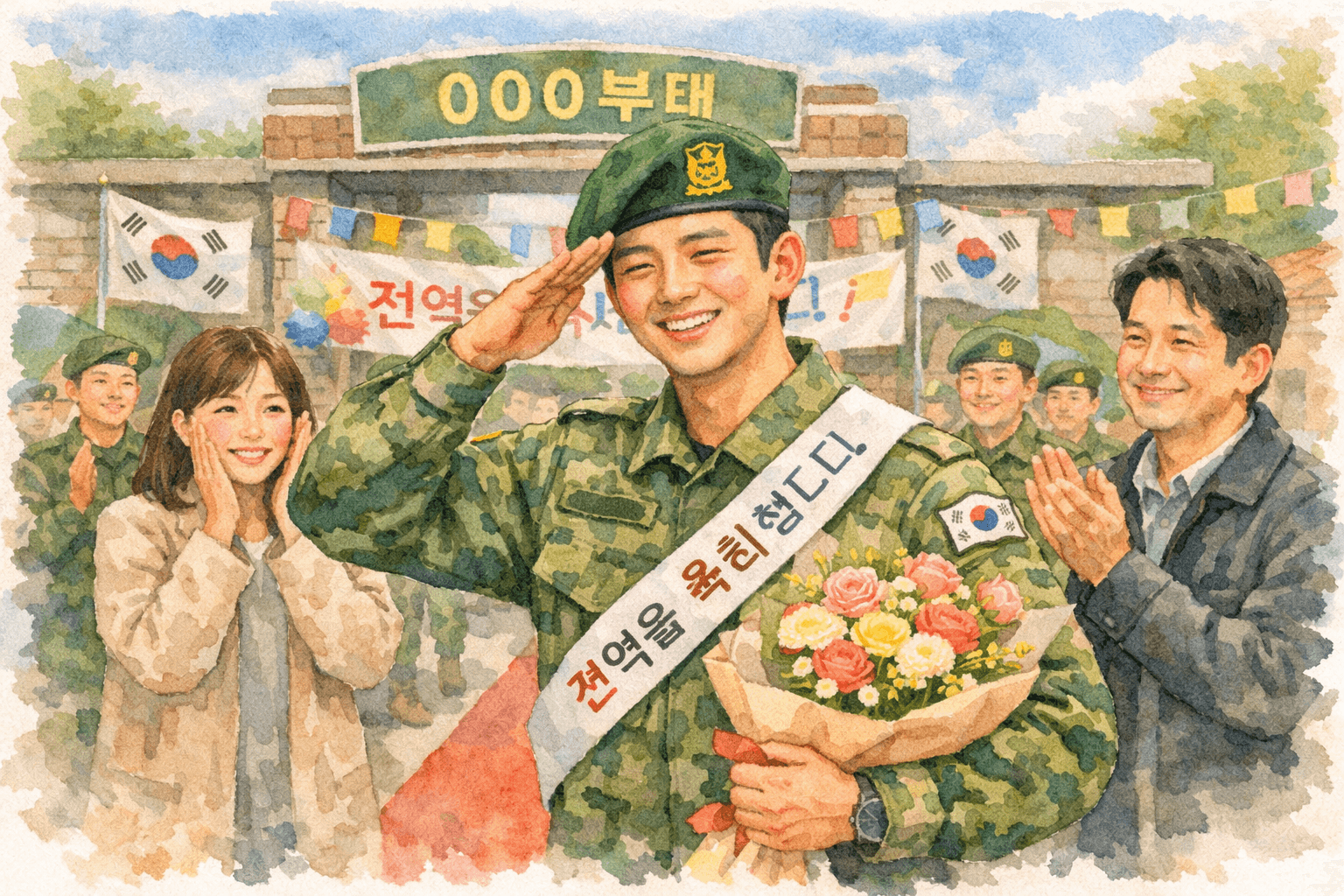
Most Korean men serve roughly 18 to 21 months in the military. “We grew apart while he was deployed” is a drama staple for a reason. So is “he came back a completely different person.” The army isn’t just a plot device — it’s a real, unavoidable turning point in the life of nearly every Korean man, and dramas reflect that honestly.
⑨ Hweshik: You Don’t Just Work Together, You Drink Together
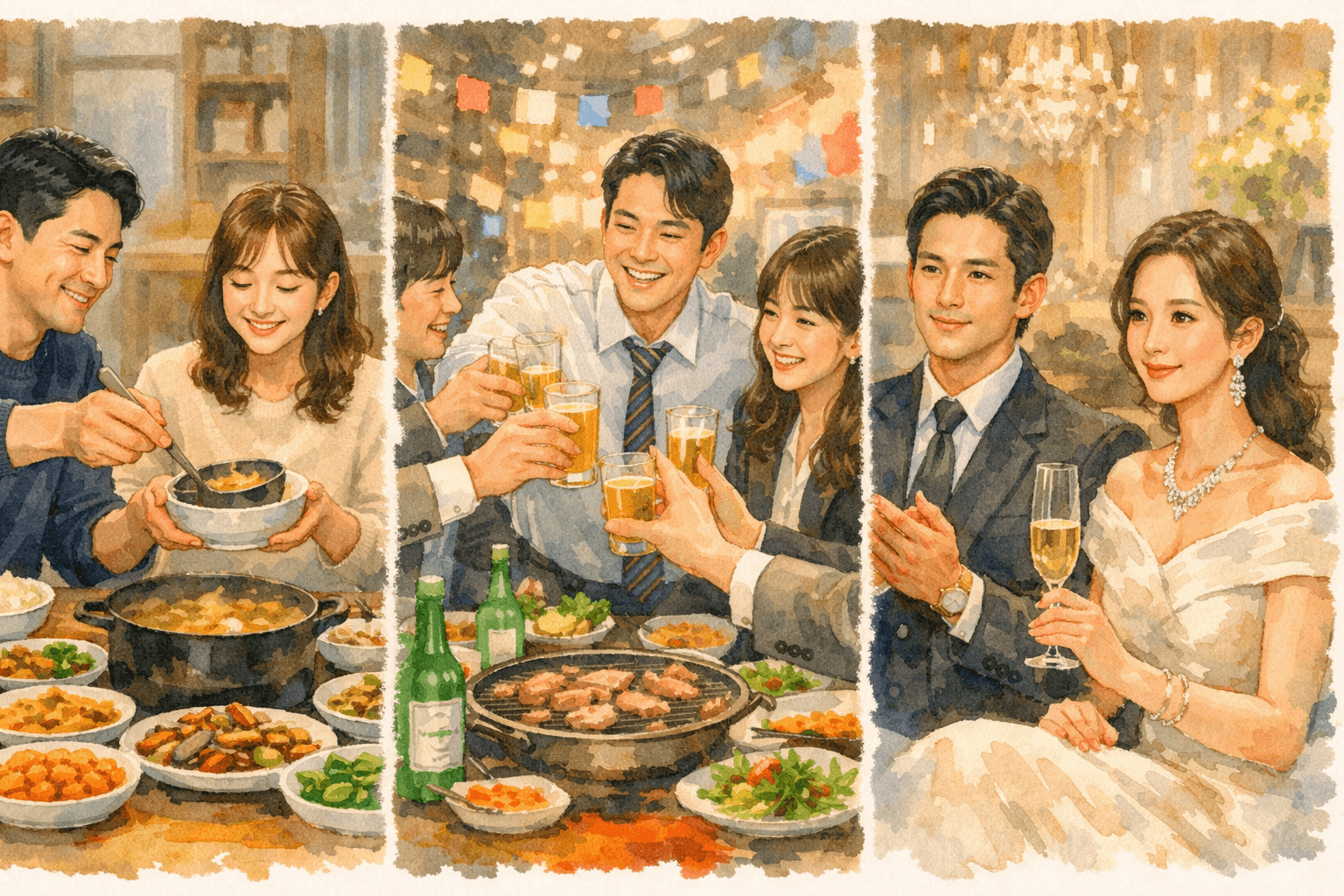
In Korean workplace culture, hweshik — the company dinner — is practically a team ritual. Skipping it can quietly mark you as an outsider. Going and having too good a time can follow you the next morning. When a boss announces “hweshik tonight, everyone’s coming,” the collective wince from the team isn’t just for laughs. It’s real. I’ve been there. That groan is completely earned.
⑩ Han: The Grief That Becomes a Story
This one runs the deepest. Han is a uniquely Korean emotional concept — the accumulated weight of injustice, sorrow, and longing that has no release. It’s the reason Korean dramas are so good at revenge stories, social reversals, and scenes that make you cry without fully knowing why. “Give me back what was taken from me” — that feeling reaches something ancient in the viewer. And personally? The scripts that flow easiest for me are always the ones where han is at the center.
A K-Drama Is More Than Entertainment
Once you know these 10 things, scenes that seemed random start making perfect sense. Why food is never just food. Why a name change between characters shifts the entire emotional register. Why the public shaming scene lands like a gut punch every single time. K-dramas aren’t just shows — they’re a window into how Korean people love, fight, and survive. I hope this made you want to watch one (or rewatch one) with fresh eyes.
See you next time with a deeper dive into how each drama does this differently!
Tags (7)
#Kdrama #KoreanDrama #Kdramas #KoreanCulture #KdramaWise #KdramaExplained #KoreanLife
All drama stills used for review and analytical purposes under Fair Use. All copyrights belong to their respective production companies and broadcasters.
If you’ve ever wondered why these shows hook us so completely, I go deeper into that question in Why Do We Watch Dramas?